
Ammonium in Water: What It Is, Why It Occurs, and How to Remove It?
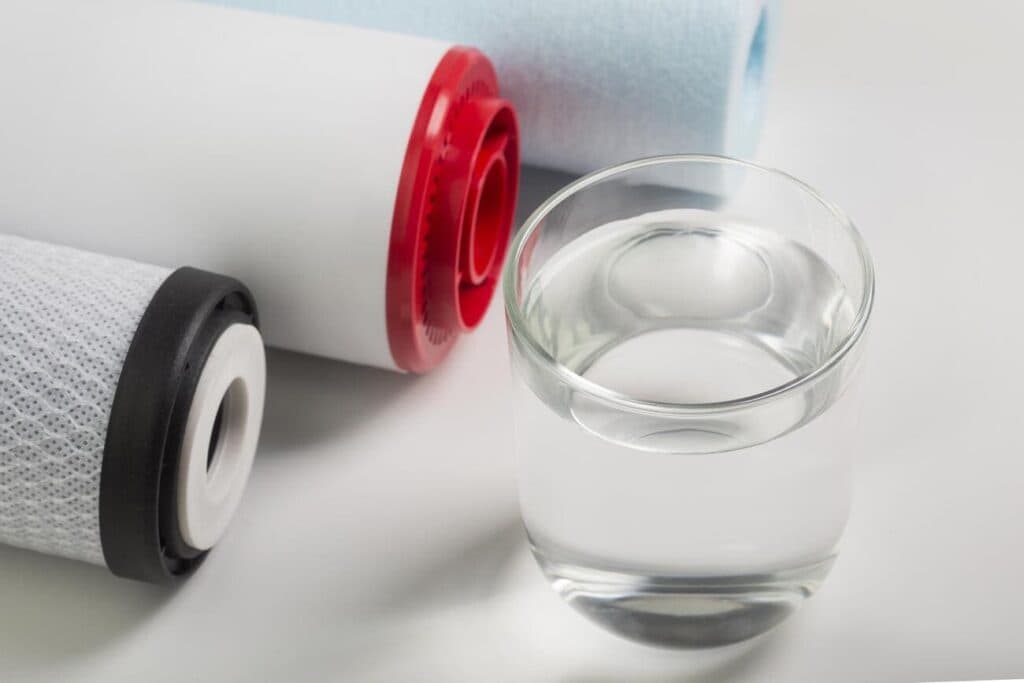
Ammonium (NH₄⁺) is a water-soluble form of ammonia often found in groundwater, well water, and borehole water. Its presence points to chemical or biological reactions taking place either naturally or as a result of environmental pollution. Although ammonium has no direct effect on human health, it worsens the water's taste, odor, and color, and can convert into nitrites (NO₂⁻), which are harmful.
This article explains what ammonium is, why it occurs, and what signs point to elevated levels. It looks at the effects of ammonium – from nitrite formation to the taste of the water and pipe corrosion. It then presents effective removal methods, such as aeration, reverse osmosis, and zeolite filters, and highlights the importance of water testing and filter maintenance. All of this is covered in the article below.
How Does Ammonium Form?
Ammonium forms naturally through the dissolution of rock, the breakdown of organic matter, or bacterial contamination. In groundwater, its levels can rise because of poorly constructed or aging boreholes. In surface water and shallow groundwater, higher ammonium concentrations point to possible sewage or bacterial contamination.
How to Recognize Elevated Ammonium Levels?
Ammonium ions have no smell or taste of their own, but they alter the properties of other compounds. When ammonium levels rise, the following signs may appear:
- the water becomes cloudy or takes on a grayish tinge;
- there is an unpleasant smell or a metallic taste;
- the inside of pots, sinks, or pipes darkens;
- black or brown water runs out when a faucet that hasn't been used in a while is turned on.
These signs indicate that, along with ammonium, iron (Fe) and manganese (Mn) levels in the water are often elevated too.
Why Is Ammonium Dangerous?
Ammonium itself does not cause health problems, but its breakdown products – nitrites – are toxic. Nitrites interfere with the transport of oxygen in the blood, so long-term exposure can lead to a lack of oxygen in body tissues (methemoglobinemia).
High ammonium levels also reduce the effectiveness of water disinfection, encourage the growth of microorganisms, and cause corrosion of metal pipes. Once the level exceeds 0,50 mg/l, the water develops an unpleasant smell and taste.
How to Remove Ammonium from Water?
Removing ammonium depends on its concentration and the source of the water. The following methods are most commonly used:
- Install an iron removal filter
This type of filter removes not only iron and manganese but also ammonium. During filtration, an oxidation process converts ammonium and other metals into insoluble forms, which are then removed from the water. - Use zeolite media
Zeolites effectively capture ammonium ions, which is why they are used in water softening and filtration systems. - Apply a reverse osmosis (RO) system
This technology purifies water of up to 99 % of dissolved compounds, including ammonium, nitrates, and heavy metals. It is suitable for individual homes and country houses. - Install an aeration system
Aeration improves the water's contact with air, oxidizes ammonium, and prepares the water for further filtration.
Who Should Get Their Water Tested?
- Private households – water from wells or boreholes often has elevated levels of ammonium, iron, and manganese.
- Farmers and owners of country homes – water quality depends on soil conditions and farming activity.
- New homeowners – a full chemical analysis is essential before installing a water supply system.
Laboratory tests determine the water's chemical composition, hardness, pH, and salt, iron, and ammonium levels. Once the results are in, the most suitable water filtration solution is selected.
Drinking Water Maintenance
After ammonium has been removed, it is important to maintain the filters and repeat testing at least once a year. This ensures that the water system stays clean and that the drinking water meets hygiene standards.
Automatic iron removal filters and reverse osmosis systems ensure that the water is clear, odorless, and suitable for everyday use.
Ammonium in water is one of the most common components of groundwater in Lithuania, but an excess of it degrades water quality and can become a source of harmful compounds.
To keep the water in your home or office clean, odorless, and safe at all times, it is recommended to use professional water filtration systems tailored to your water quality and needs. For households, you'll find the most suitable solutions here: water filters for homes, which remove ammonium, iron, manganese, and other dissolved compounds. For offices, where not only water cleanliness but also convenience matters, we offer water filter systems, such as the QUATREAU Smart Tap. These systems provide top-quality drinking water, save space, and help maintain healthy daily water consumption.
Ammonium in Water: FAQ
What is the permitted ammonium concentration in drinking water?
According to the Lithuanian hygiene standard HN 24:2003, the ammonium level in drinking water must not exceed 0,50 mg/l. Once this limit is exceeded, the water loses its sensory qualities, and nitrites may form, posing a risk to health.
Can ammonium levels rise in centralized mains water?
In centrally supplied water, ammonium levels are constantly monitored, so exceeding the limit is practically impossible. The greater risk lies with consumers who have a private borehole or well, where water quality depends on maintenance and the condition of the equipment.
Can boiling remove ammonium from water?
Boiling does not remove ammonium from water. Unlike bacteria, ammonium does not evaporate when heated, so this method is not effective. The only solution is mechanical or chemical filtration.
What is the difference between ammonium and ammonia?
Ammonia (NH₃) – a gaseous compound that turns into ammonium (NH₄⁺) when dissolved in water. Ammonia indicates that the water is contaminated with organic matter, while ammonium – the level of chemical pollution. The two compounds are interrelated and both affect the water's quality and smell.