
Smelly water – causes, sources of odor, and effective solutions
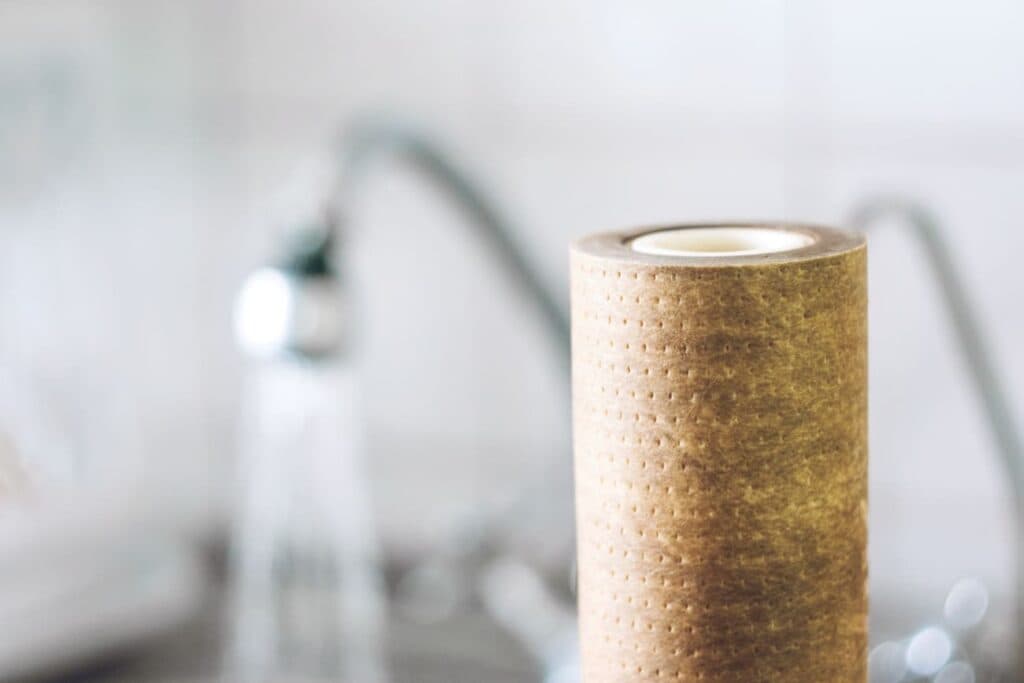
Smelly water – this is water that takes on an unpleasant odor due to hydrogen sulfide, bacteria, metal compounds, or excess chlorine. This phenomenon points to chemical or biological processes taking place in the pipework, heating system, or well, so it's essential to identify the cause and apply the right filtration and disinfection solution.
The article covers five main causes of smelly water: hydrogen sulfide, bacteria, chemical reactions in boilers, metal compounds, and excess chlorine. Below are effective ways to identify the source of the odor and eliminate it – from filtration systems to disinfection. We cover all of this in the article below.
1. Why does water smell like rotten eggs?
Water takes on a rotten-egg smell because of hydrogen sulfide (H₂S) gas. This gas forms when anaerobic or sulfur bacteria develop in the water or soil. They thrive in oxygen-free environments – in wells, boreholes, or old pipework.
Hydrogen sulfide is a colorless, flammable gas that not only causes a pungent odor but also causes pipe corrosion. This phenomenon occurs most often in private homes that use borehole or surface water.
How to remove hydrogen sulfide from water?
The most effective methods:
- Filter the water with oxidation-filtration systems, which convert hydrogen sulfide into sulfur particles and remove them.
- Install aerators, which mix the water with air and disperse the gas before it enters the system.
- Use activated carbon filters if the H₂S concentration is low.
- Disinfect the well with Buksvarus.lt disinfectant, which destroys sulfur bacteria and prevents new ones from forming.
When the sulfur level is high, Buksvarus.lt specialists recommend the Aquaphor S800 P1 filter (up to 3 m³/h), and for a smaller amount – the Aquaphor S550 P1.
2. Why does hot water smell?
Hot water can give off an odor if the problem lies in the water heater (boiler). The smell comes from two factors:
- The magnesium anode reacts with the water and produces hydrogen sulfide.
- A boiler temperature that's too low allows bacteria to multiply, since they aren't killed by the heat.
How to remove the odor from hot water?
- Replace the magnesium anode with an aluminum or zinc anode – these metals react less with water.
- Raise the boiler temperature to a level high enough to kill the bacteria.
- Clean and disinfect the boiler. Install a filtration system ahead of the water heater so that only purified water enters the boiler.
If the odor is only noticeable from the hot tap – the problem is in the boiler. If the odor is present in both hot and cold water – the water source itself is contaminated.
3. Why does water smell moldy or musty?
Iron bacteria cause a moldy smell and form slime in pipes and toilet tanks. They multiply in iron-rich well water, especially when the water heater's temperature favors bacterial growth.
How to remove the odor caused by iron bacteria?
- Use iron removal filters with oxidizers – potassium permanganate or sodium hypochlorite.
- These filters remove excess iron and manganese, the yellowish tinge, and the bacterial odor.
Although iron bacteria aren't dangerous to health, they worsen the water's taste and odor and shorten the service life of equipment.
4. Why does water have a metallic smell?
A metallic smell in water is caused by a high iron content, especially in borehole or well water. Iron oxidizes and creates a distinctive taste and smell.
How to remove the metallic smell?
- Install water filters, which remove Fe compounds and improve the water's color and taste.
- Combine iron removal and sulfur filters if the water contains both iron and hydrogen sulfide.
5. Why does water smell like chlorine or bleach?
A chlorine smell most often appears in municipal tap water, when the water is disinfected using chlorine. If you live close to water treatment facilities, the chlorine concentration may be higher than usual.
How to remove the chlorine smell?
- Use activated carbon filters – they remove chlorine residues and improve the taste.
- Install a reverse osmosis system if you want to remove up to 93 % of all impurities and get water equal to what you'd find in bottles.
6. How to identify and solve the cause of smelly water?
To remove the odor quickly, you need to identify its source:
- Odor only in hot water – the problem is the boiler's anode or temperature.
- Odor in both hot and cold water – bacteria or sulfur compounds in the source.
- Odor from the tap or drain – pipe contamination or stagnant water.
The most effective actions:
- Carry out a water test – determine the levels of sulfur, iron, and bacteria.
- Install a suitable water filtration system – oxidation, aeration, or iron removal.
- Regularly disinfect wells and boilers.
- Maintain your pipework – clean out sediment that harbors bacteria.
7. When should you contact specialists?
If the odor is strong, constant, or still noticeable even after filtration – contact water treatment specialists. They select filters based on the level of contamination and make sure the water stays odor-free and safe all year round.
To permanently get rid of an unpleasant water odor, you need to choose a filter based on the type of problem. If the water smells of hydrogen sulfide or iron, the most effective solution is – iron removal filters, which effectively remove sulfur, iron, and manganese compounds, leaving the water clear and odor-free. If the water smells of chlorine or mold, use activated carbon filters — CTO carbon filter cartridges or washable sediment filters FS4 and CPF-3-E remove organic matter and chlorine and improve the taste. For offices and public spaces, a water filtration system such as the RO drinking water filtration system U7, Germany, delivers water that's clean, odor-free, and free of impurities. A properly chosen filter or system not only removes odors but also protects pipework, plumbing, and water heaters from corrosion, ensuring that the water in your home or office is always clean, odor-free, and safe to use every day.
Smelly water: FAQ
How to remove the smell of hydrogen sulfide from water?
You can remove the smell of hydrogen sulfide by using oxidation-filtration systems, aerators, or activated carbon filters. The well needs to be disinfected, and if the sulfur level is high, choose filters based on the required water flow rate.
How to clean a boiler when the water smells?
The boiler needs to be cleaned and disinfected with a potassium permanganate solution, the magnesium anode replaced, and a higher water temperature maintained to kill the bacteria. To prevent this happening again, it's worth installing a filter ahead of the water heater.
When should you get a water test done?
A water test should be carried out when the water constantly smells, changes color, or slime appears. The test determines the concentration of sulfur, iron, and bacteria, and lets you choose the right filtration solution.
Can you drink smelly water?
In theory it's possible, if the odor is caused solely by hydrogen sulfide, but in practice this isn't recommended. The odor indicates chemical or biological contamination in the water, so before drinking it, you should carry out a water test and install a filtration system.