
Healthy Water: What It Is, How Much to Drink, and Which Water Is Best for the Body
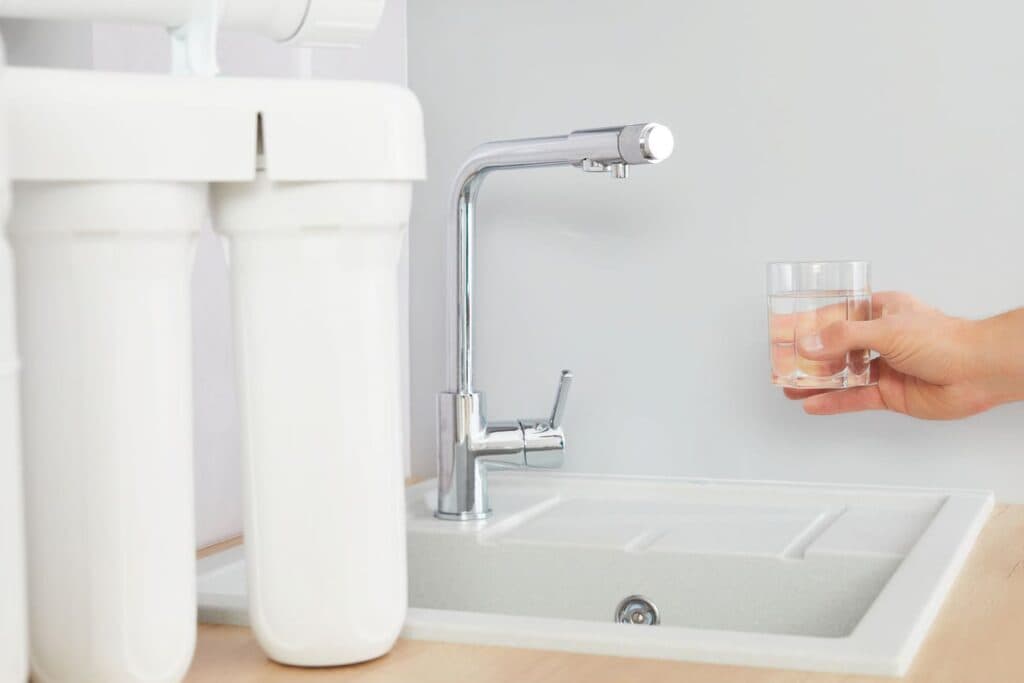
Healthy water – clean water with a balanced mineral composition that supports hydration, thermoregulation, and metabolism. It has an optimal pH (7 – 7.5), low mineralization, and contains no harmful compounds. Healthy water is essential for the body’s daily functioning and for maintaining energy levels.
This article explains what healthy water is and why its quality matters for the body. It covers the recommended daily intake based on weight, age, and physical activity, and explains how to recognize proper hydration. It then looks at the benefits and health effects of different types of water – tap, mineral, sparkling, and hydrogen-enriched. Finally, it offers practical tips on how to drink water correctly and maintain an optimal fluid balance. We cover all of this in the article below.
How Much Water Do You Need Each Day?
Daily needs depend on body weight and exertion. The main guidelines are:
- 30 ml/kg per day (WHO). E.g., for a 70 kg person – 2.1 l.
- 1 ml of water per 1 kcal. E.g., after consuming 1800 kcal – 1.8 l.
- In summer, 2 – 2.5 l due to increased sweating.
About 40% of our water intake comes from food, and the rest needs to be drunk.
How to Recognize Adequate Hydration?
Light-colored urine indicates adequate hydration. Signs of dehydration include fatigue, headache, and lack of concentration. Losing 1 – 2% of body weight in fluids impairs cognitive function; >6% – causes fever and tachycardia; >10% – is life-threatening.
Why Is Water Essential for Daily Functions?
Water:
- supports thermoregulation (the evaporation of sweat cools the body);
- dissolves mineral and organic substances;
- enables digestion (swallowing, digesting, absorbing, and removing waste);
- transports nutrients and maintains fluid volume in the body.
Which Water Is Best for Everyday Use?
Simple drinking water from reliable sources. In Lithuania, tap water is safe, as it is drawn from underground wells and regularly tested (VMVT, the State Food and Veterinary Service). In the western part of Lithuania, fluoride levels are higher, and the issue is addressed with fluoride removal systems. Well water sits closest to the surface – owners must check its quality themselves; boiling destroys microorganisms but does not remove chemical contamination, so regular testing is needed (at least twice a year – in spring and autumn).
When Should You Choose Mineral Water?
Mineral water is beneficial when salt replenishment is needed:
- Sulfates >600 mg/l – for constipation.
- Sodium ≤20 mg/l – for elevated blood pressure.
- High mineralization (>1 g/l) – suitable for intense sports and heavy sweating.
Low-mineralization water is suitable for everyday consumption; high-mineralization water is not suitable for daily use due to the risk of excess sodium chloride (blood pressure, thirst). Check the label for salts, sodium, sulfates, and pH (7 – 7.5). In stores, water is classified into natural mineral, drinking, table, and spring water.
Is Sparkling Water Suitable?
Sparkling mineral water stimulates gastric and intestinal motility and secretion, making it beneficial for digestion. In cases of gastritis or peptic ulcer disease, it causes irritation and triggers symptoms; frequent use is not recommended for young children.
How to Calculate Your Individual Need?
- Apply 30 ml/kg. E.g., 75 kg → 2.25 l/day.
- Apply 1 ml/kcal. E.g., 2200 kcal → 2.2 l/day.
- For children: 1000 ml for the first 10 kg + 50 ml for each additional kilogram.
- On hot days or during exercise, it is recommended to increase the amount to 2 – 2.5 liters per day.
Light-colored urine indicates adequate hydration. Dark yellow color is the first sign that you lack water.
To ensure that drinking water is not only clean but also healthy, a proper filtration system is essential. At home, this can be achieved by using water filters, which remove chlorine, sediment, iron, and other impurities while preserving natural minerals, giving the whole family softer, better-tasting, and safer water. If the water has a high iron content, it is worth choosing iron removal filters, such as the AGI-PRO-1044RX or AGI-PRO-1054CI, which effectively purify water throughout the whole house. For offices or public spaces, water filters are an excellent fit: the modern U7 and AG-BODY-BALANCE RO filtration systems ensure high quality, while the QUATREAU Smart Tap and AG SODA TAP make it easy to prepare sparkling or still water. These solutions help you enjoy healthy, well-balanced-tasting water every day, both at home and at work.
Healthy Water: FAQ
Hydrogen Water – A New Health Trend
Hydrogen-enriched water (hydrogen water) – a next-generation solution combining technology and wellness.
Its benefits are backed by scientific research:
- Reduces inflammation. Hydrogen neutralizes free radicals.
- Increases energy levels. Improves mitochondrial function and physical endurance.
- Strengthens immunity. Promotes protective cellular processes.
Hydrogen water bottles let you enrich water in just 3 – 5 minutes, so healthy water is always within reach, wherever you are. They feature a rechargeable battery, a compact design, and an easy-to-maintain construction, making them an ideal choice for an active lifestyle, sports, and travel.
How to Drink Water Correctly?
For water to be beneficial:
- Drink in small sips – it’s absorbed better this way.
- Drink between meals, not during them – to avoid diluting digestive enzymes.
- Drink most of your water in the first half of the day.
- Reduce your water intake in the evening to avoid swelling.
- Don’t wait until thirst sets in. Thirst is a sign that your body is already short about 1 l of water.